

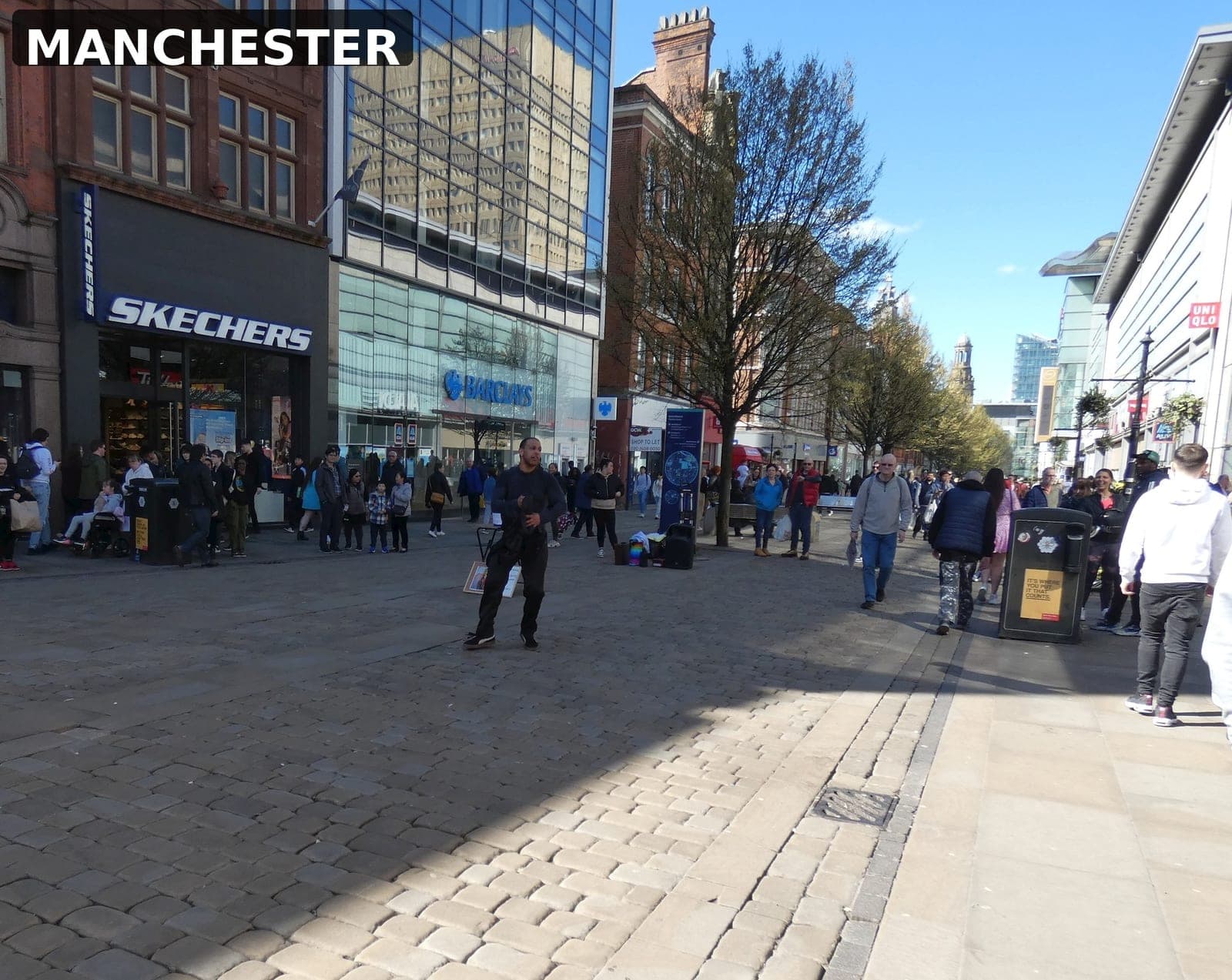
The city where Africa's independence leaders met, and where Moss Side built a home.
Cotton And Abolition
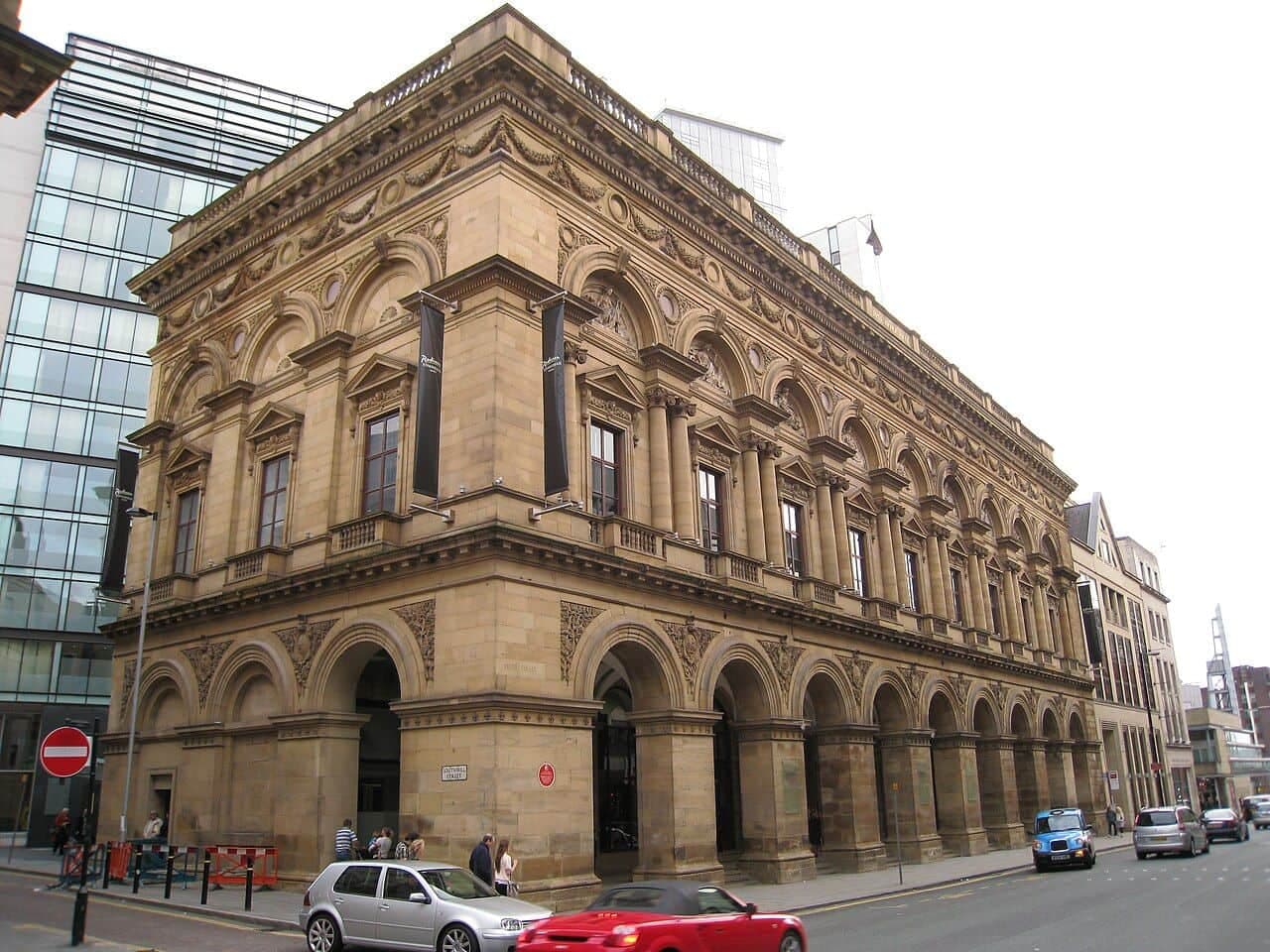
Manchester's mills ran on cotton grown by enslaved people in the American South, and the city's story with Black freedom starts there. On New Year's Eve 1862, in the middle of the cotton famine, working people met at the Free Trade Hall and backed Abraham Lincoln's fight to end slavery. Lincoln wrote back in January 1863, and his words are carved on the statue of him that stands in Lincoln Square, just off Deansgate.
The 1945 Pan-African Congress
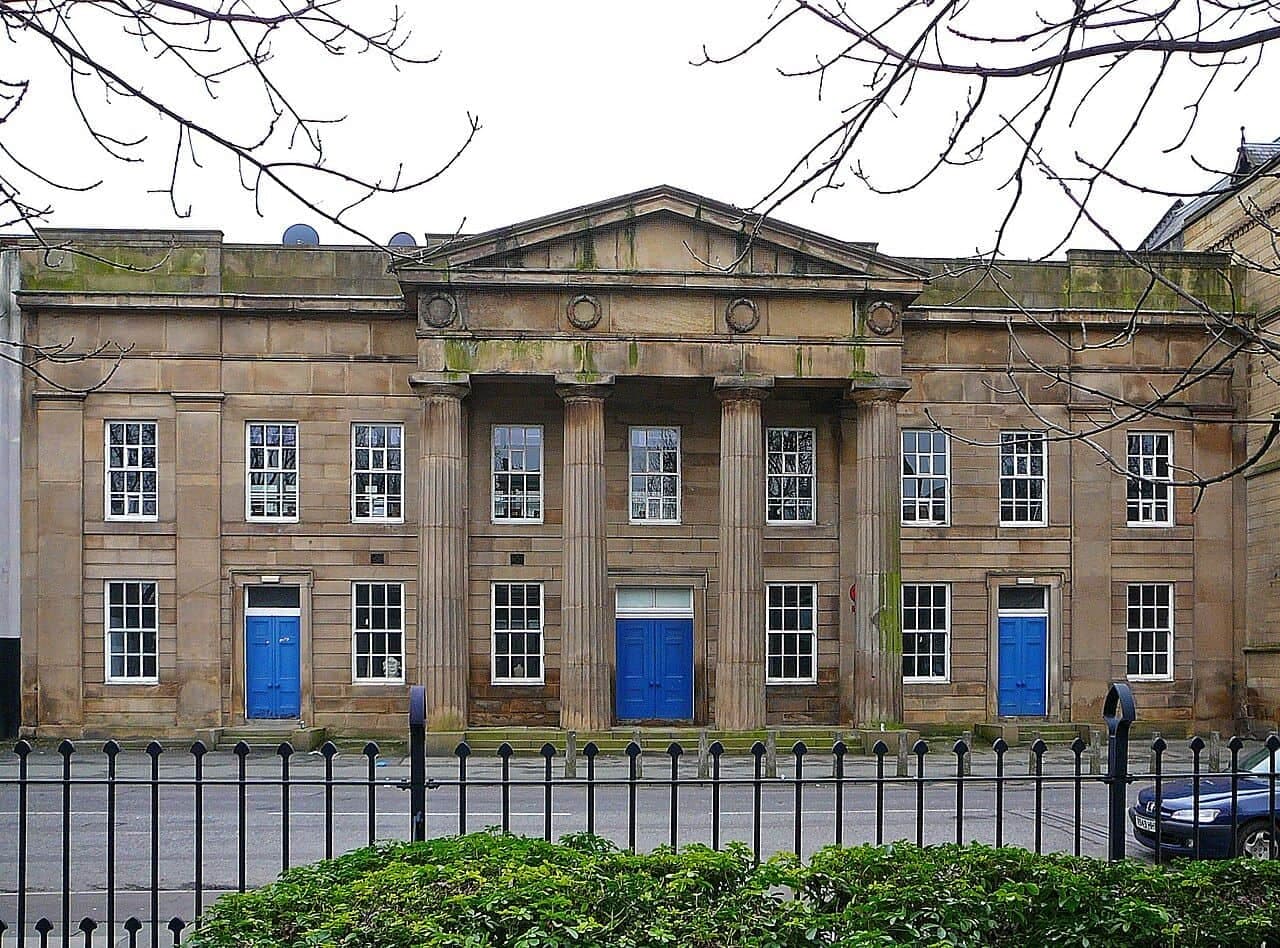
From 15 to 21 October 1945, Chorlton-on-Medlock Town Hall hosted the Fifth Pan-African Congress. It was organised from Manchester, with George Padmore among those calling for it, and W. E. B. Du Bois took the chair for later sessions.
Kwame Nkrumah, Jomo Kenyatta and Hastings Banda were in the room, and each went on to lead his country to independence. A red plaque on the town hall marks the meeting, put there after the community leader Kath Locke pressed the city council for it.
Len Johnson
Len Johnson was born in Clayton, Manchester in 1902, the son of a seaman and engineer from Sierra Leone. He boxed professionally, but the British Boxing Board of Control's rules said title contenders needed two white parents, so he was never allowed to fight for a British title.
Outside the ring he became a labour activist in Manchester in the 1940s and 1950s and co-founded the New International Club.
Moss Side And Carnival
Caribbean families settled in Moss Side in the 1950s and 1960s, and by the 1980s it was the heart of Manchester's African-Caribbean community. The Reno and the Nile, at the corner of Princess Road and Moss Lane East, were the clubs everybody remembers.
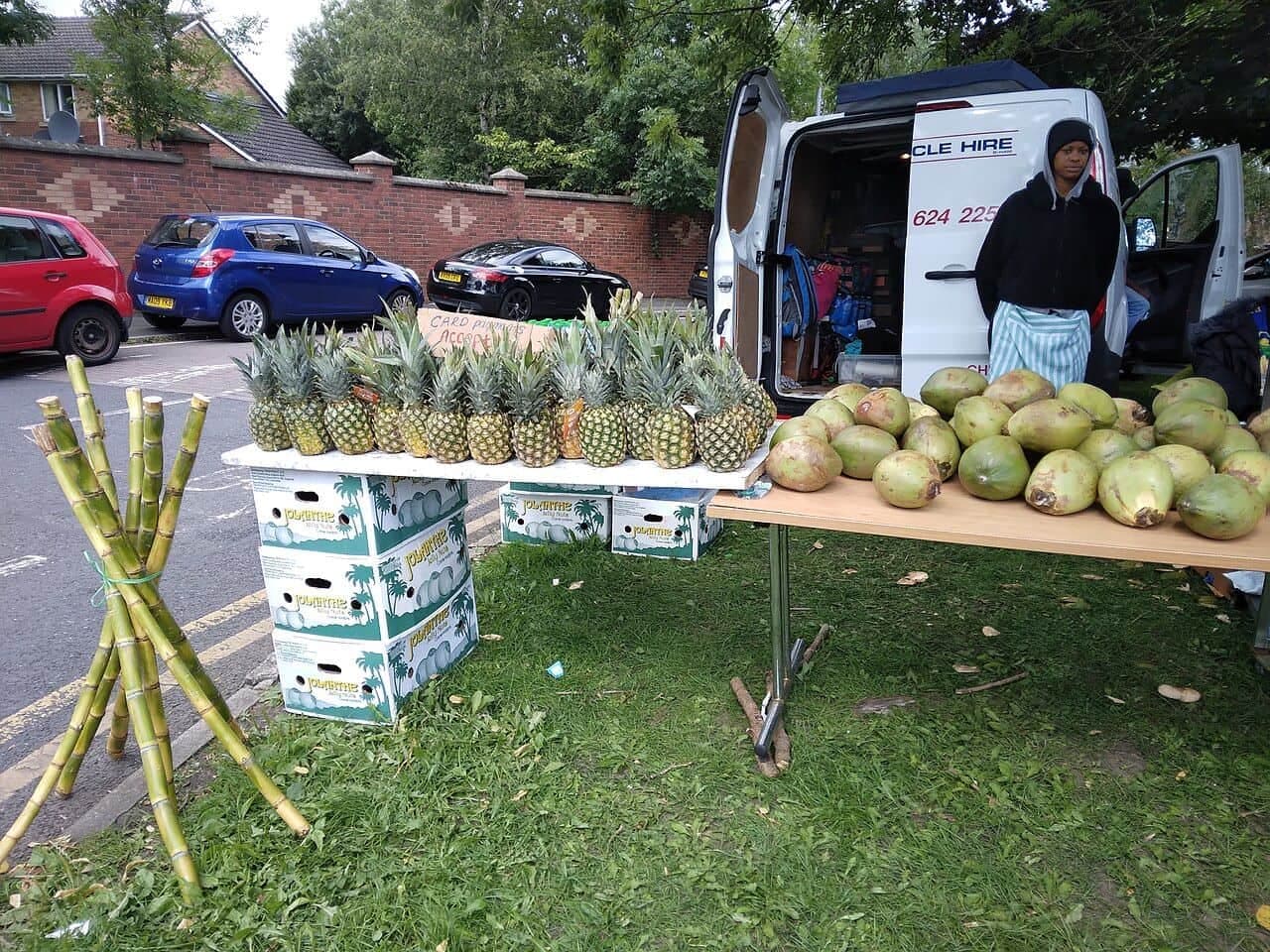
The Manchester Caribbean Carnival has been held in Alexandra Park since 1971, with floats and island flags in the parade.
Black Manchester Today
Moss Side is still at the centre of Black Manchester, with groups like the West Indian Sports and Social Club carrying on decades of community life. The Ahmed Iqbal Ullah Race Relations Resource Centre, part of the University of Manchester and based in Central Library, keeps material on the 1945 Congress for anyone who wants to read the history first hand. Across the city, Black-owned restaurants, salons and brands are part of everyday Manchester.
Shop Black-owned businesses in Manchester on CashBlack.
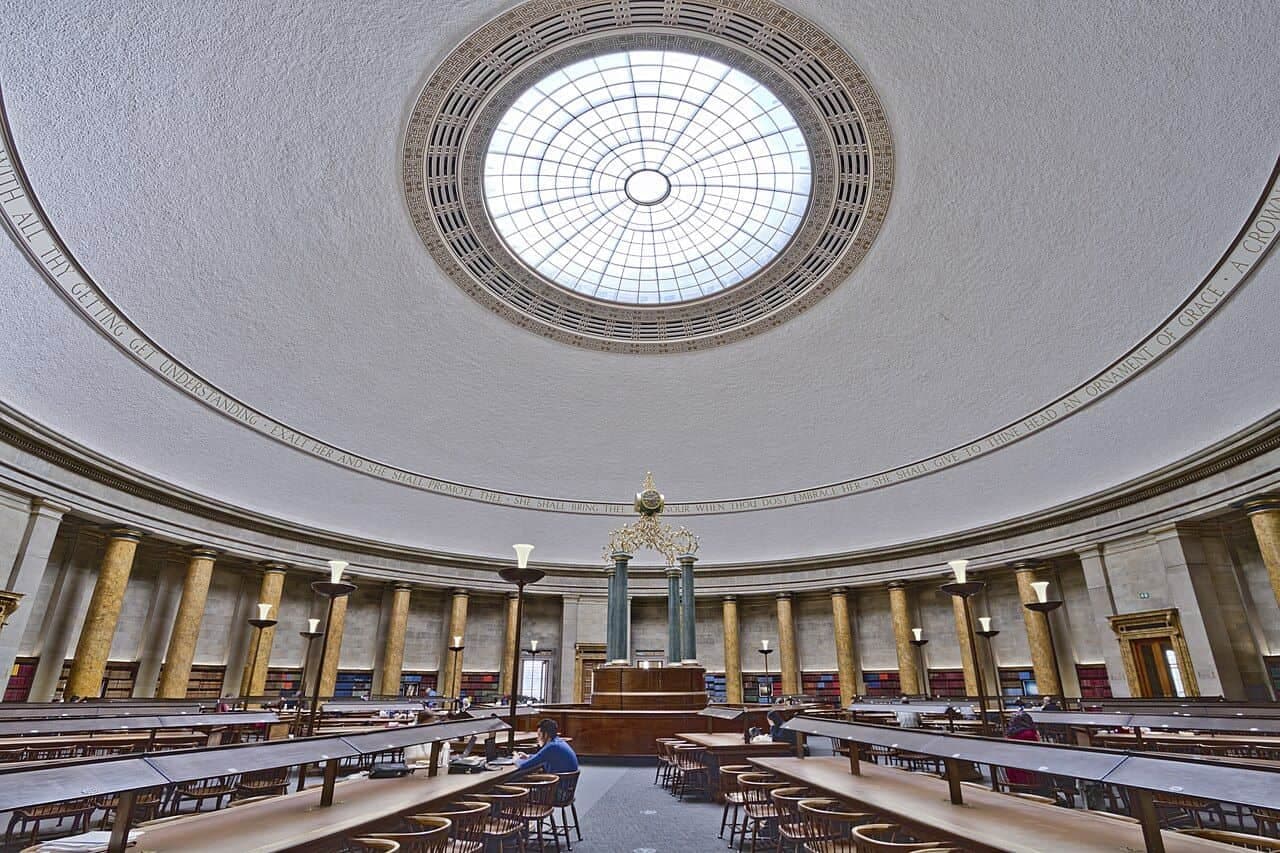
Photo Credits
The Free Trade Hall on Peter Street, Manchester. Photo: Bernt Rostad from Oslo, Norway, CC BY 2.0, Wikimedia Commons Chorlton-on-Medlock Town Hall, where the Fifth Pan-African Congress met in 1945. Photo: Tim Green from Bradford, CC BY 2.0, Wikimedia Commons A fruit stall in Moss Side during the Manchester Caribbean Carnival. Photo: Ridiculopathy, CC0, Wikimedia Commons The reading room of Manchester Central Library. Photo: Michael D Beckwith, CC BY-SA 3.0, Wikimedia Commons