

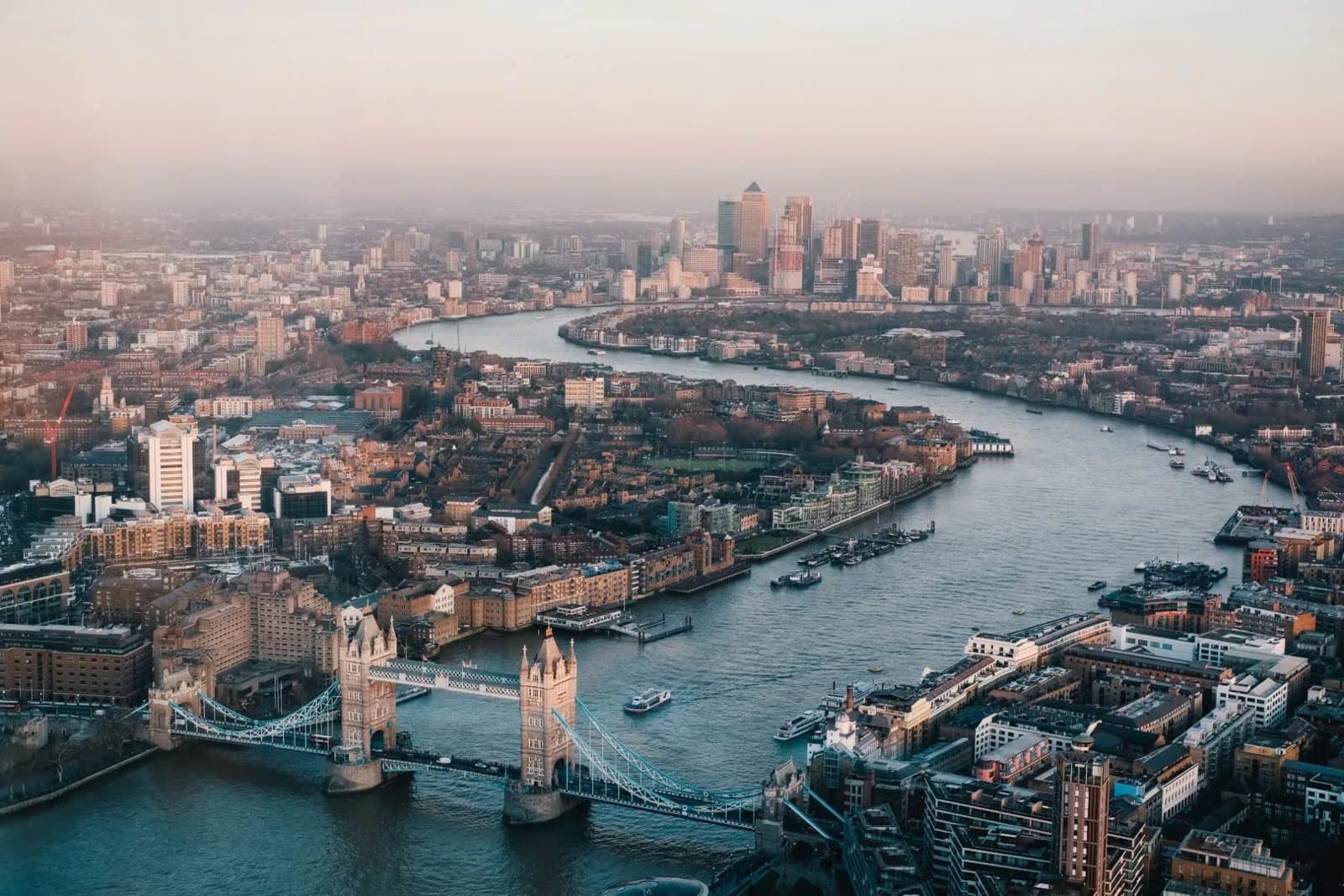
Five centuries of Black London, from the Tudor court to Carnival and grime.
Before Windrush
Black Londoners were here long before 1948. John Blanke, a trumpeter, played for Henry VII and Henry VIII, and he is pictured in the Westminster Tournament Roll of 1511.
In Georgian London, Ignatius Sancho ran a grocery on Charles Street in Westminster selling tea, sugar and tobacco, and voted in the Westminster elections of 1774 and 1780. Olaudah Equiano published his autobiography, The Interesting Narrative, in 1789 and was a leading member of the Sons of Africa, a group of free Africans who campaigned against the slave trade. In July 1900 the Trinidadian barrister Henry Sylvester Williams brought delegates to Westminster Town Hall for the first Pan-African Conference, with W. E. B. Du Bois among them.
Windrush
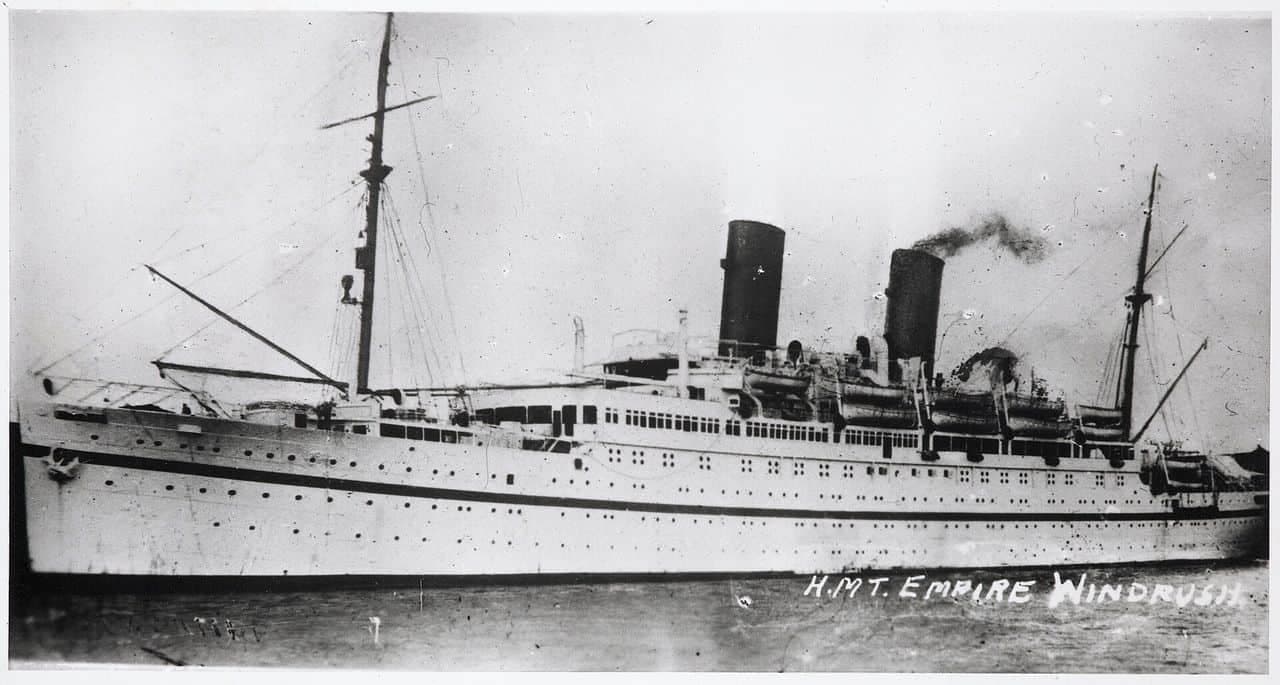
HMT Empire Windrush docked at Tilbury on 21 June 1948 and its passengers came ashore the next day, many of them from the Caribbean. Some of those with nowhere to stay were housed in the deep shelter under Clapham South, less than a mile from the employment exchange on Coldharbour Lane in Brixton, where some went looking for work.
Brixton grew into a home for Caribbean London. In 1998, fifty years on, the space in front of Brixton Library was renamed Windrush Square, and since 2018 the country has marked Windrush Day every 22 June.
Carnival
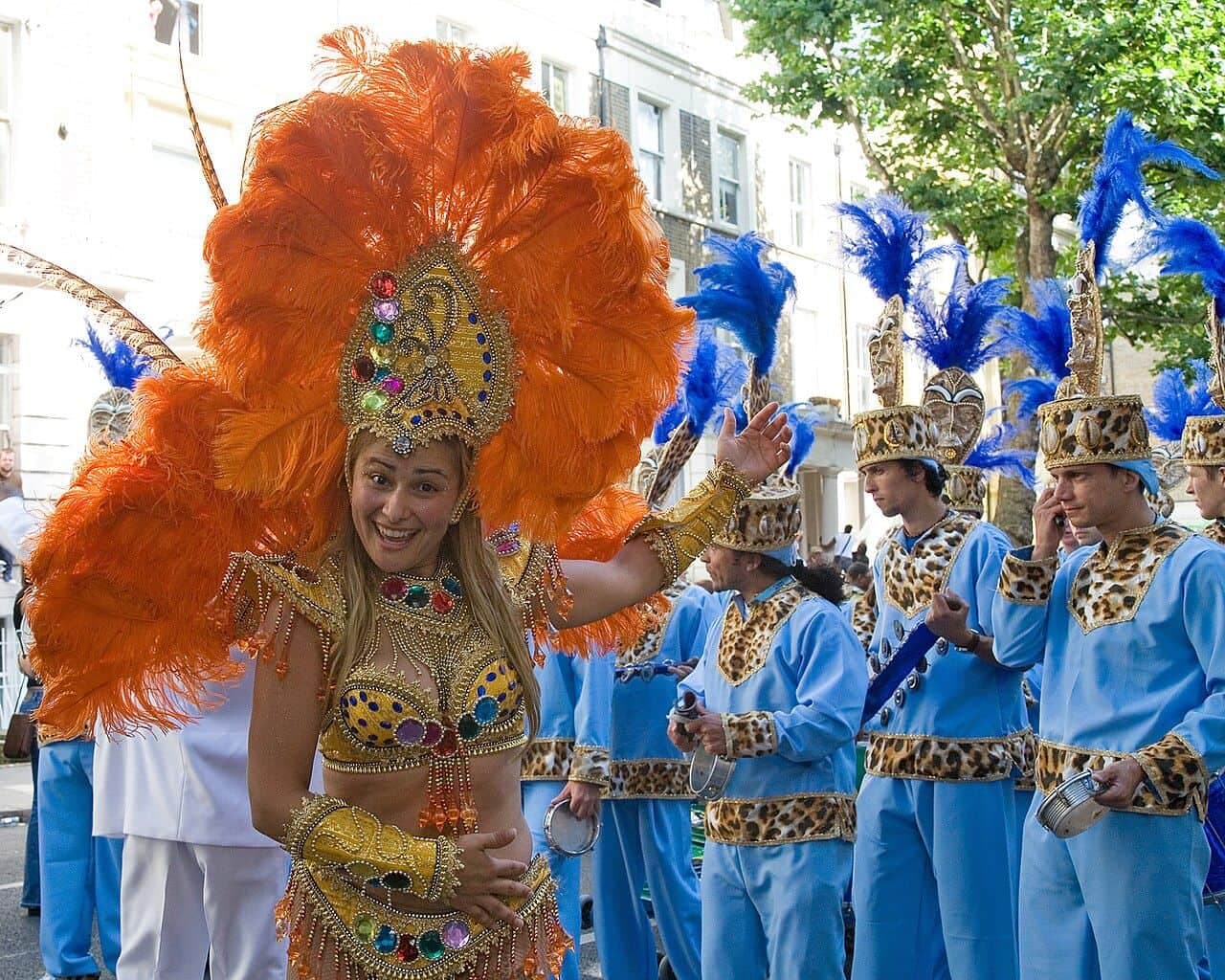
Notting Hill Carnival has two roots. After the Notting Hill race riots of 1958, Claudia Jones, the Trinidad-born journalist who founded the West Indian Gazette that year from an office above a barber's shop in Brixton, organised a Caribbean Carnival at St Pancras Town Hall on 30 January 1959. In August 1966 Rhaune Laslett organised a street festival in Notting Hill.
That street party became the largest street festival in Europe, filling west London with steel pans, mas bands and sound systems every August Bank Holiday weekend. Claudia Jones is buried in Highgate Cemetery, beside Karl Marx.
Building Its Own Institutions
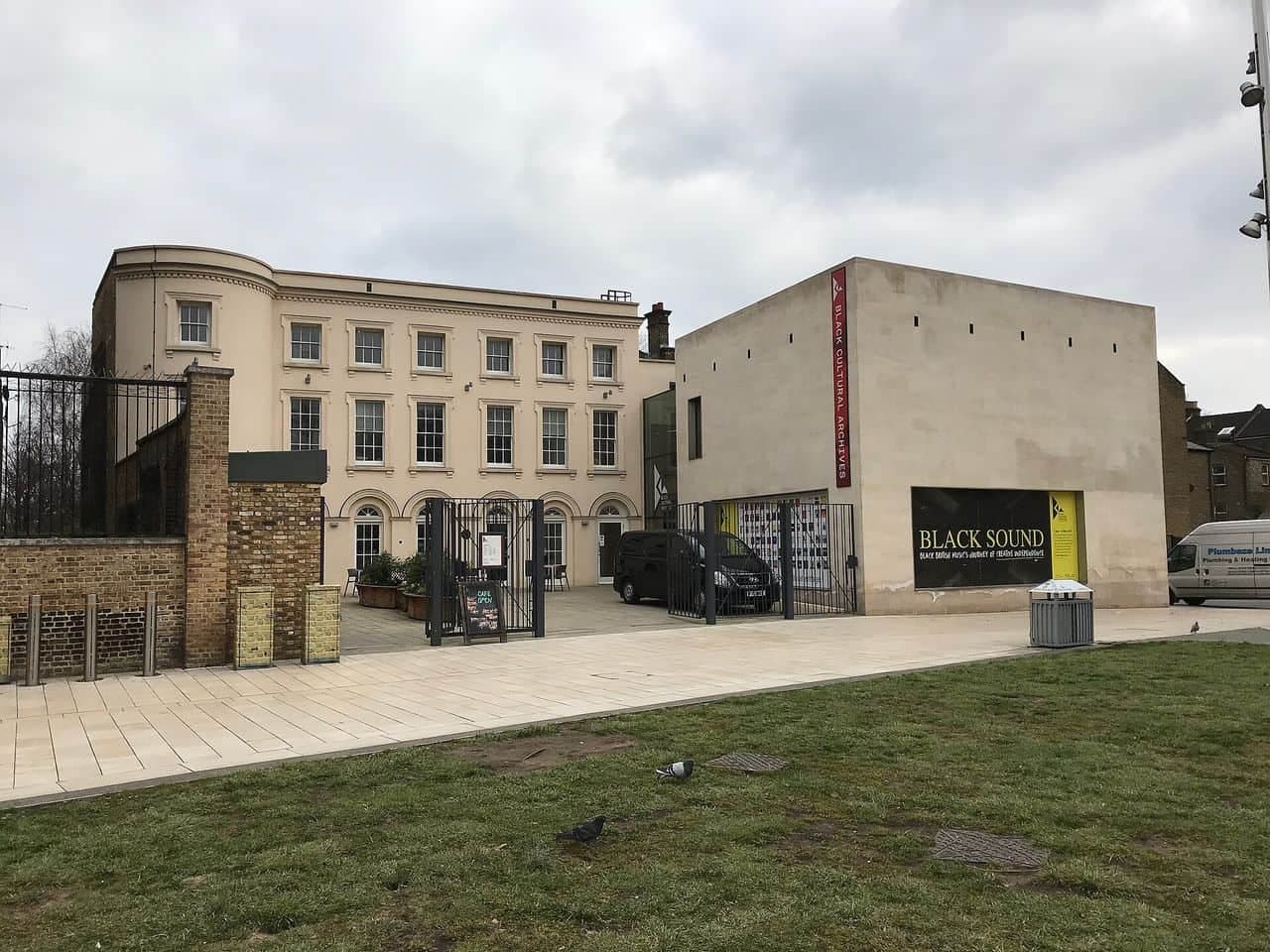
In 1981 Len Garrison and others began collecting the photographs, papers and magazines that became the Black Cultural Archives. In 2014 it opened in Raleigh Hall, a Georgian building on Windrush Square, as a home for Black British history.
Black History Month in the UK started in London too. It was first celebrated in October 1987, led by the Ghanaian analyst Akyaaba Addai-Sebo, who worked on special projects for the Greater London Council.
Black London Today
Grime came out of East London in the early 2000s, and Dizzee Rascal's Boy in da Corner won the Mercury Prize in 2003.
Brixton Market still sells African-Caribbean produce every day, Scotch bonnets included, with restaurants and traders packed into Brixton Village. In Peckham, Rye Lane is the main shopping street of an area with a large British Nigerian community, often called Little Lagos. Across the city, Black-owned kitchens, barbers, salons and studios are part of everyday London.
Shop Black-owned businesses in London on CashBlack.
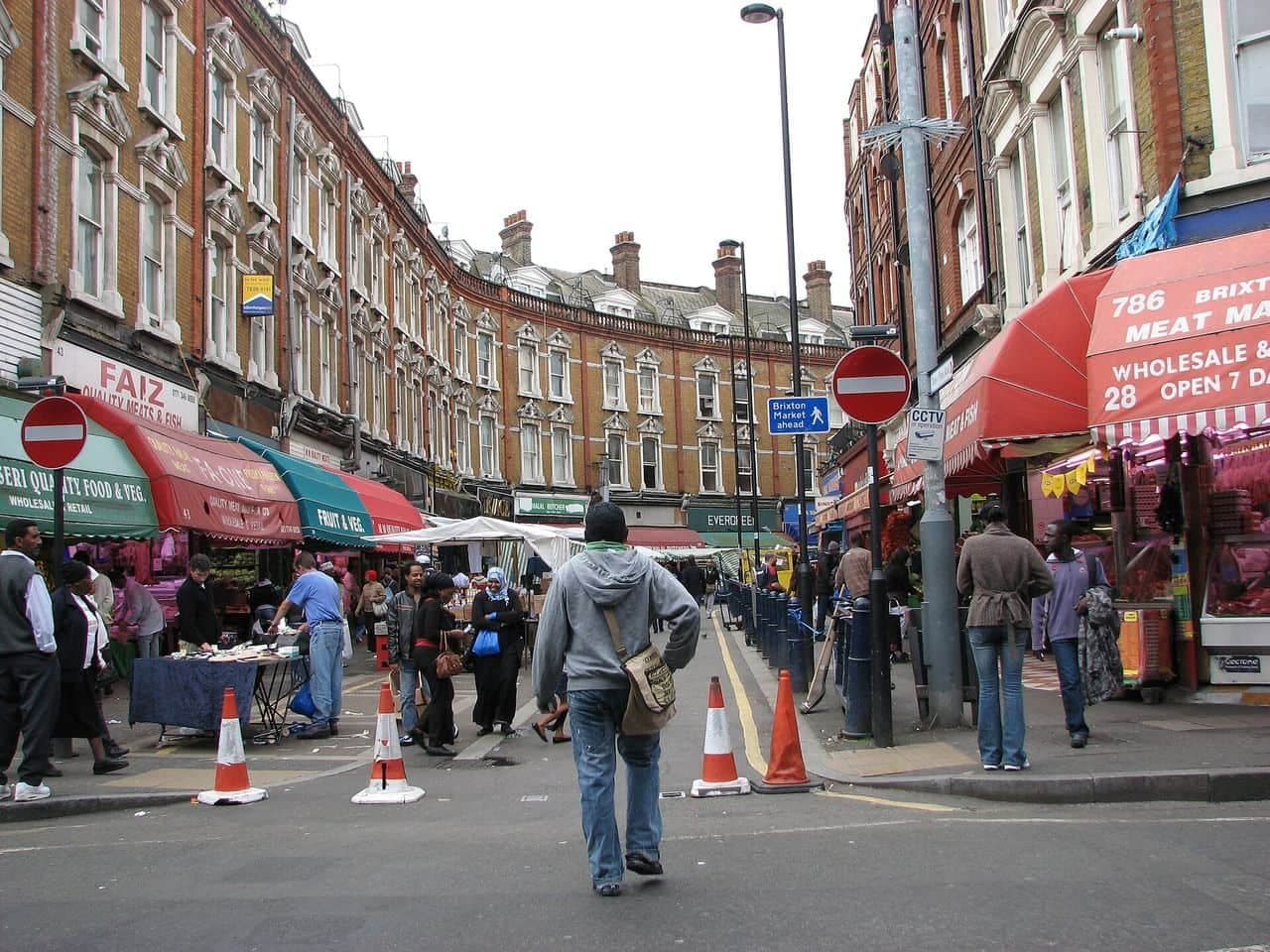
Photo Credits
HMT Empire Windrush. Photo: Royal Navy official photographer, Public domain, Wikimedia Commons Notting Hill Carnival, 2006. Photo: Diliff, CC BY 2.5, Wikimedia Commons The Black Cultural Archives on Windrush Square, Brixton. Photo: Matt Brown, CC BY 2.0, Wikimedia Commons Brixton Market. Photo: Cristian Bortes from Cluj-Napoca, Romania, CC BY 2.0, Wikimedia Commons