

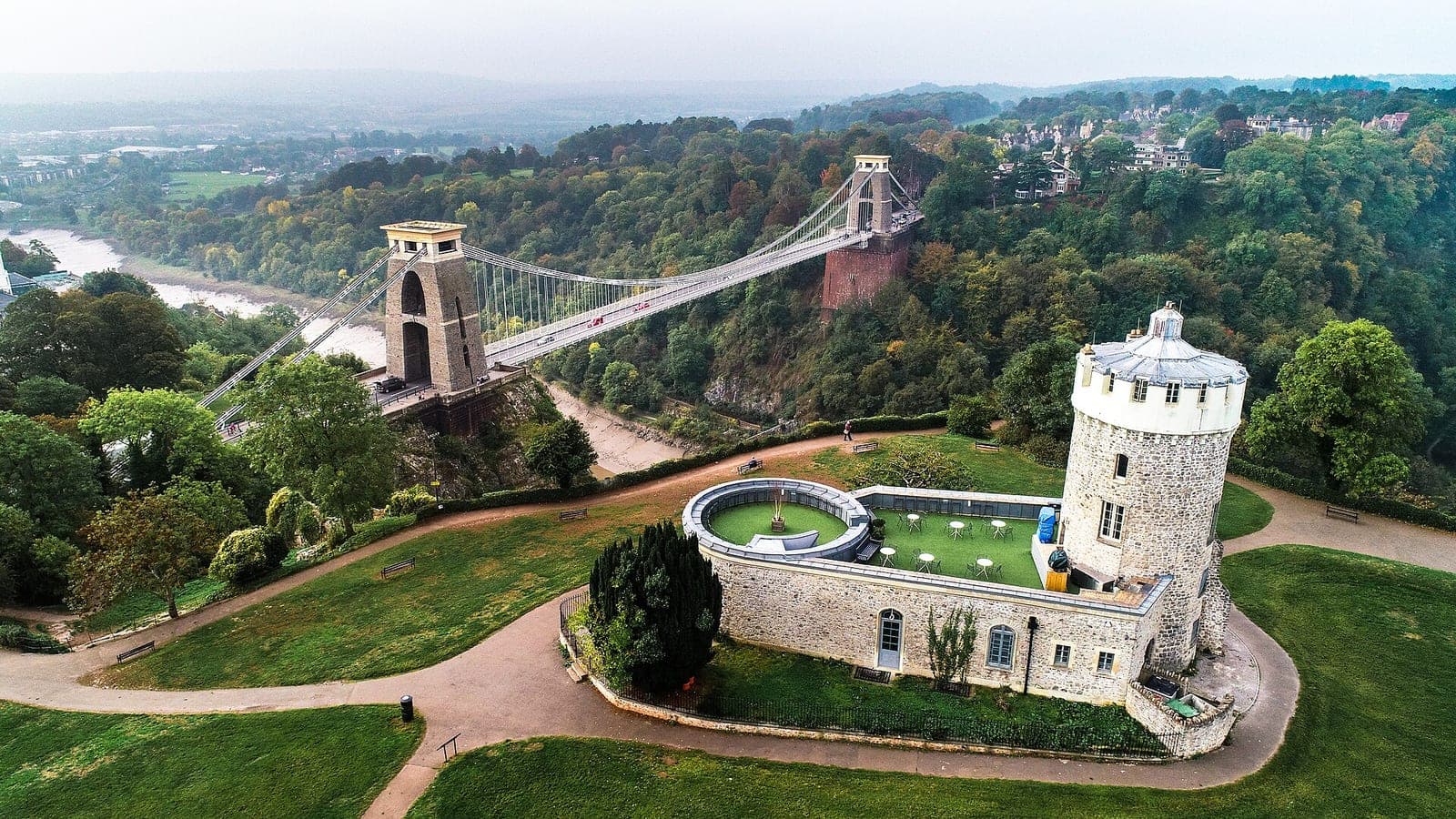
The bus boycott, St Pauls Carnival and the Bristol sound, in a city facing up to its past.
A Port With A Past
Bristol's wealth was built partly on the Atlantic slave trade. Edward Colston was a senior figure in the Royal African Company, which organised it, and his statue stood in the city centre. On 7 June 2020 protesters pulled it down, rolled it along Anchor Road and pushed it into the harbour. Since March 2024 it has been on permanent display at the M Shed museum, graffiti and all, as part of an exhibition about protest.
The Bristol Bus Boycott
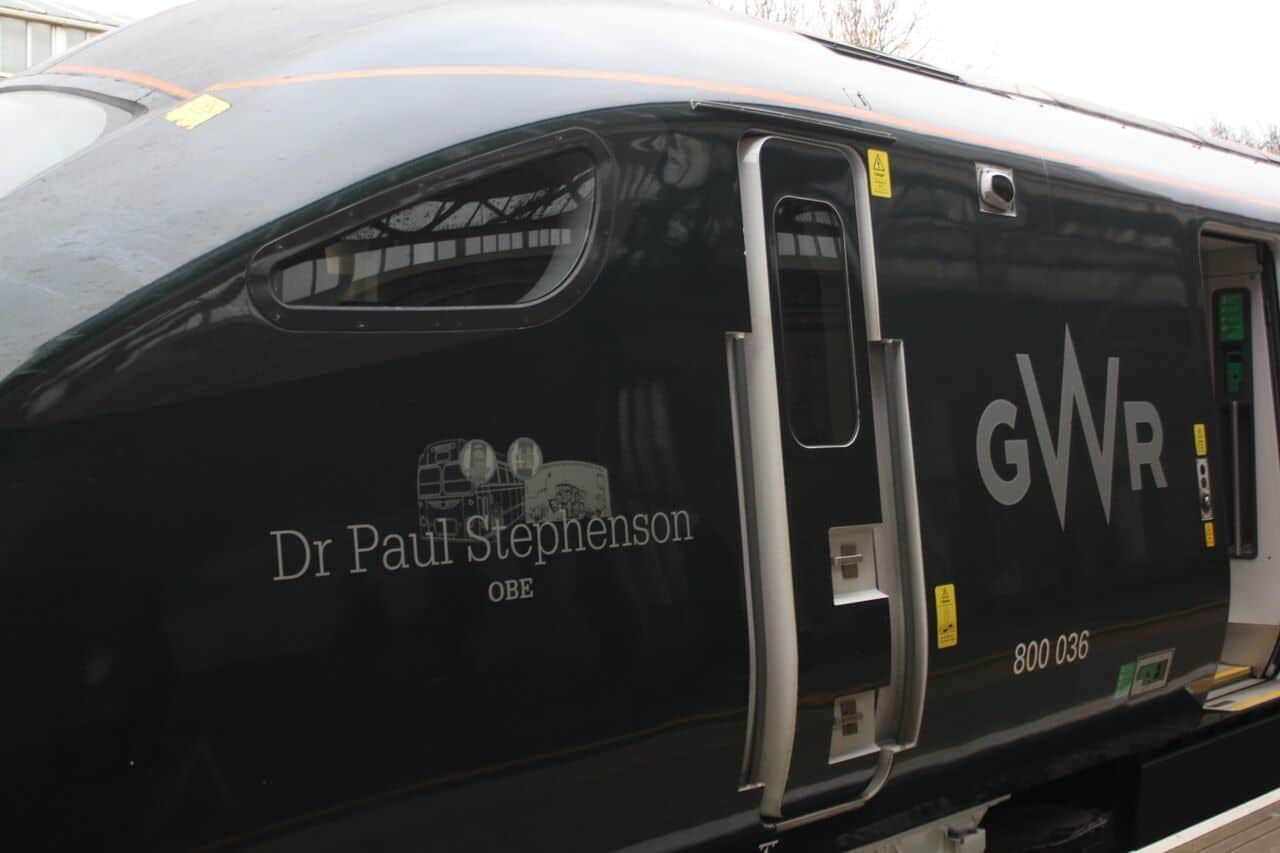
In 1963 the Bristol Omnibus Company refused to hire Black and Asian bus crews. On 30 April, Roy Hackett, Owen Henry, Audley Evans and Prince Brown, with Paul Stephenson as their spokesman, launched a boycott, after the company turned down a young man named Guy Bailey for a job.
It lasted four months. On 28 August 1963 the company announced it would stop discriminating, and on 17 September Raghbir Singh became the city's first bus conductor of colour. Many credit the boycott with helping to bring about the Race Relations Act of 1965.
St Pauls Carnival
In 1968 the people of St Pauls started the St Pauls Festival, which grew into St Pauls Carnival: a masquerade parade of costumes and floats, live stages, sound systems in the side streets and food from across the Caribbean and beyond.
The artist Michele Curtis has painted its founders as the Seven Saints of St Pauls, giant murals on the area's walls of Carmen Beckford, Dolores Campbell, Barbara Dettering, Clifford Drummond, Audley Evans, Roy Hackett and Owen Henry. Carmen Beckford also became Bristol City Council's first race relations officer.
The Bristol Sound
In the 1980s the Wild Bunch, one of the first homegrown sound systems in the UK, ran the Bristol club scene. Grant Marshall, Andrew Vowles, Robert Del Naja and Adrian Thaws went on to form Massive Attack in 1988, and their debut album Blue Lines in 1991 is widely seen as the first trip hop record.
Black Bristol Today
St Pauls is still at the centre of Black Bristol, and the murals, the carnival and the boycott's story are part of how the city sees itself. Black-owned restaurants, salons and brands are part of that story as it carries on.
Shop Black-owned businesses in Bristol on CashBlack.
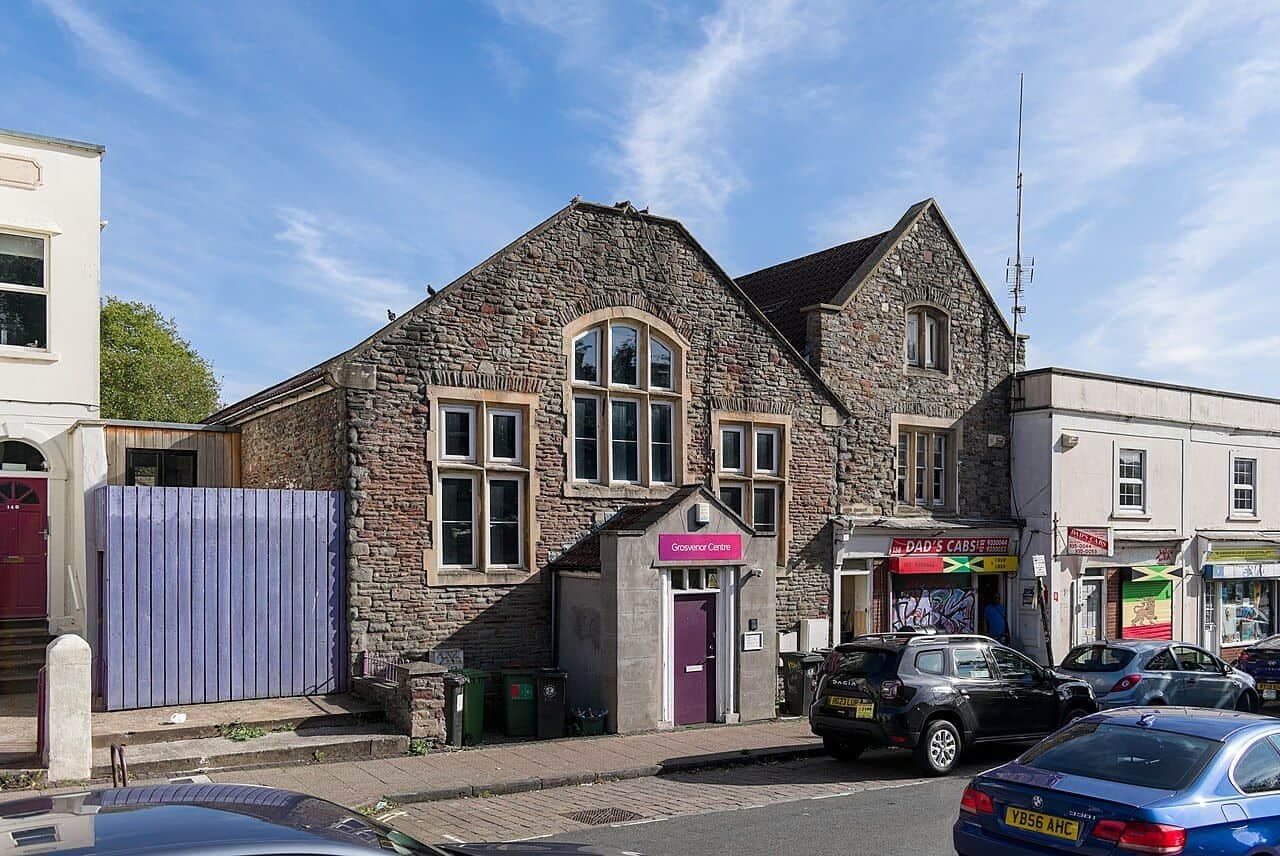
Photo Credits
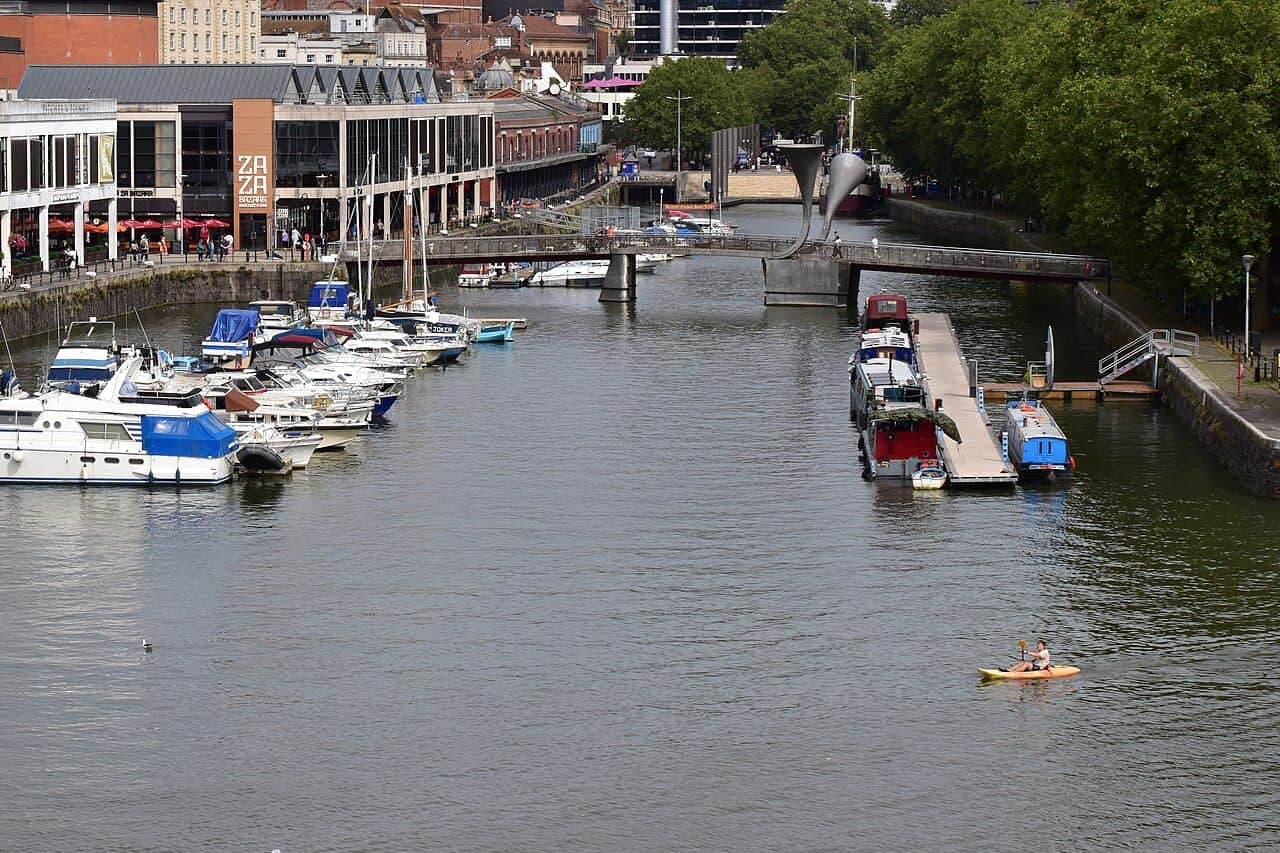
Pero's Bridge in Bristol's harbour, named after Pero, an enslaved African. Photo: Bärbel Miemietz, CC BY-SA 4.0, Wikimedia Commons A Great Western Railway train named for Dr Paul Stephenson OBE. Photo: Geof Sheppard, CC BY-SA 4.0, Wikimedia Commons The Grosvenor Centre, St Pauls. Photo: Tadeusz Hare, CC BY-SA 4.0, Wikimedia Commons